HESPER
The market for Ceramic Rubber Hose is evolving rapidly. Global buyers are increasingly seeking innovative solutions that combine durability and flexibility. This material is known for its exceptional resilience in various industrial applications.
In 2026, trends are shifting towards eco-friendly options and advanced manufacturing processes. Companies aim to reduce environmental impact while improving product performance. Popular features include better temperature resistance and enhanced abrasion protection. However, some manufacturers struggle to maintain quality standards during production.
Understanding these trends is crucial for buyers. They must consider not just price, but also long-term value. Investing in high-quality Ceramic Rubber Hose can lead to significant savings. Yet, some may overlook the importance of supplier reputation. Buyers should reflect on their choices and prioritize reliable sources.
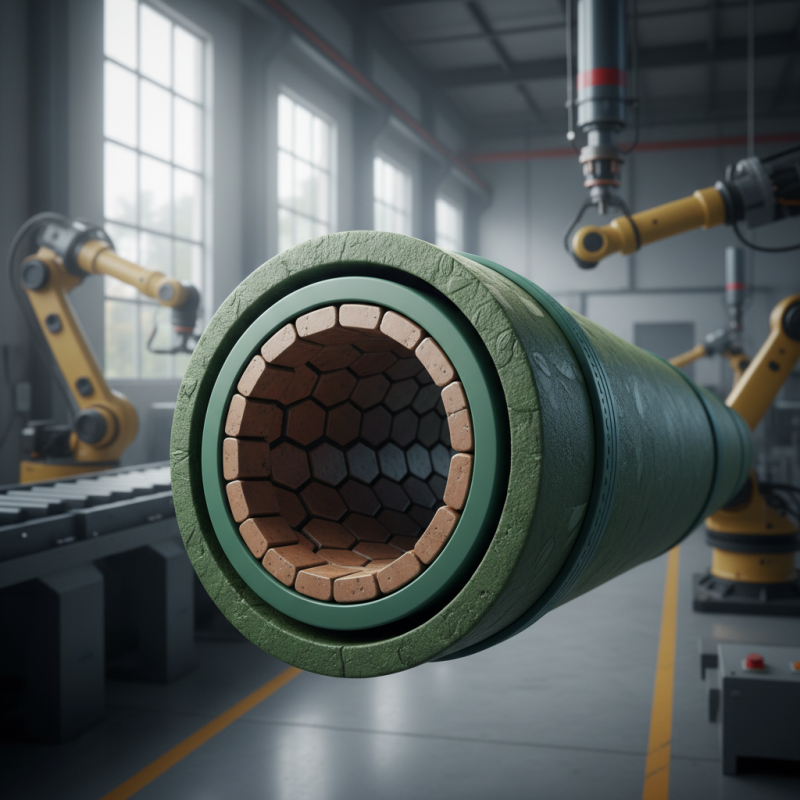
The demand for ceramic rubber hoses is on the rise due to their unique properties. These hoses combine the flexibility of rubber with the heat resistance of ceramics, making them ideal for various industrial applications. Recent reports indicate that the market for these hoses may grow significantly, potentially reaching a value of $900 million by 2026.
Current popular materials used in manufacturing ceramic rubber hoses include silicone, EPDM, and specialized ceramics. Silicone offers excellent temperature resistance, while EPDM is known for its durability. Recent innovation in ceramic bonding techniques enhances their performance, ensuring better service life. However, challenges remain in finding the optimal balance between flexibility and strength.
Tip: When selecting a ceramic rubber hose, consider the operating temperature and flexibility requirements.
The integration of advanced materials in manufacturing can lead to better performance. Nevertheless, maintaining quality control in production is crucial. Substandard materials may compromise the overall efficiency of the hoses. Continuous testing and development ensure that manufacturers meet the industry's evolving needs.
Tip: Regularly review product specifications and testing data from suppliers. This practice can help avoid future challenges in performance and durability.
The ceramic rubber hose market is experiencing significant innovations, especially in design and performance. Industry analysts predict that by 2026, the global demand will increase by over 5% annually. This growth is driven by the need for high-resilience and temperature-resistant materials. Manufacturers are focusing on improving flexibility and reducing weight without compromising durability.
Recent advancements include coatings that enhance resistance to chemicals and abrasion. For instance, a study revealed that hoses with ceramic reinforcements last 30% longer under extreme conditions. Technical improvements in the bonding of rubber to ceramic are crucial. The elimination of delamination issues promises more reliable performance for users in various industries.
Nevertheless, challenges remain. Not all innovations yield practical results. Some designs increase production costs without significant performance enhancement. Companies must evaluate these innovations critically. Balancing cost-effectiveness with advanced technology is essential for sustainable growth. Continued research is vital, ensuring that each change meets industry standards and real-world applications.
The supply and demand trends for ceramic rubber hoses are evolving rapidly. Manufacturers are focusing on innovative designs and materials. This shift aims to meet the increasing demand across various industries. Industries such as automotive and construction rely heavily on these hoses for their durability and flexibility. The market is seeing a rise in orders, driven by a greater need for high-performance solutions.
Challenges do exist. Supply chain disruptions can impact availability. Additionally, the cost of raw materials has been fluctuating. Such factors may hinder manufacturers' ability to keep up with demand. This inconsistency can lead to delays and potential loss of client trust. It is vital for stakeholders to monitor these trends closely.
The growing preference for sustainability is also influencing market dynamics. Buyers are now looking for eco-friendly options. This aligns with the global push towards greener practices. Therefore, adapting to these changes will require strategic planning and innovation. Some producers may struggle with this transition, as they may lack the necessary expertise or resources.
Addressing these challenges will be essential for long-term success in the ceramic rubber hose market.
The production of ceramic rubber hoses increasingly emphasizes environmental sustainability. In recent years, manufacturers have been exploring eco-friendly materials. This shift reduces reliance on traditional, harmful resources that can harm the planet. A focus on biodegradable additives is becoming more common, aiming to minimize environmental impact.
Sustainable production processes are also critical. Many companies are adopting clean energy sources. This approach can lower carbon emissions significantly. However, challenges remain. Not all manufacturers adhere to these practices consistently. Thus, industry-wide change is essential for real progress.
The demand for transparency grows as buyers seek sustainable options. This need for accountability can drive innovation. Yet, not all producers can meet these standards. Buyers must evaluate the credibility of companies. It is crucial to support those genuinely committed to sustainability practices. The journey toward greener production is ongoing and requires collective effort.
| Trend | Description | Environmental Impact | Sustainability Practices | Future Outlook |
|---|---|---|---|---|
| Increased Use of Recycled Materials | Manufacturers are incorporating recycled rubber to reduce waste. | Lower carbon footprint from material sourcing. | Adopting circular economy principles. | Expected to rise as technology improves for recycling. |
| Bio-Based Rubber Alternatives | Development of rubbers sourced from natural plant-based materials. | Reduces dependency on fossil fuels. | Increased investment in bio-materials research. | Promising growth as consumer preference shifts. |
| Energy-Efficient Production Methods | Adoption of more energy-saving technologies in the manufacturing process. | Significantly lowers greenhouse gas emissions. | Focus on reducing energy consumption while maintaining quality. | Trend towards automation that reduces energy waste. |
| Enhanced Product Lifecycle Management | Comprehensive strategies to manage a product's lifecycle. | Encourages recycling and safe disposal at end-of-life. | Integration of eco-design principles from the start. | Realignment towards sustainability metrics in product design. |
| Regulatory Compliance and Standards | Stricter environmental regulations affecting production methods. | Push for cleaner practices and waste reduction. | Standardization of eco-friendly practices across the sector. | Increasingly important for market entry and competitiveness. |
As we look toward 2026, technological advances are vastly reshaping ceramic rubber hoses. These innovations are enhancing the durability and flexibility of the hoses. Manufacturers are exploring new materials that improve resistance to extreme temperatures. This progress is vital for industries relying on high-performance hoses.
Tips: Consider the specific applications for your ceramic rubber hoses. Different settings may demand varying levels of strength and flexibility.
Another trend is the integration of smart technology in ceramic rubber hoses. Sensors can now monitor wear and tear. These advancements help predict maintenance needs and prevent unexpected failures. The future landscape is one where software and hardware blend seamlessly.
Tips: Regularly assess the performance of your hoses. Investing in new technologies can save costs and improve overall efficiency.
With these developments, the industry faces the challenge of balancing cutting-edge technology and practical use. Finding the right mix between innovation and reliability is key. Each step taken must be carefully evaluated, ensuring they meet both performance standards and user needs.
: Common materials include silicone, EPDM, and specialized ceramics. Each material has unique properties.
Their flexibility and heat resistance appeal to industries like automotive and construction, driving demand.
Disruptions can lead to delays and affect trust with clients. Monitoring trends is essential.
The market may reach a value close to $900 million due to increasing demand and technological advances.
Continuous testing and material reviews are crucial. Substandard materials can compromise efficiency.
Innovations like smart technology help monitor wear and enhance durability for high-performance use.
Adapting to eco-friendly practices can be difficult. Some may lack resources or expertise for this transition.
Each application may require different strength and flexibility levels to meet performance needs effectively.
Operating temperature and flexibility requirements are key factors to weigh in the selection process.
This practice helps prevent performance and durability issues caused by outdated or substandard materials.
The article "2026 Top Ceramic Rubber Hose Trends for Global Buyers" explores the evolving landscape of Ceramic Rubber Hose manufacturing, highlighting the current popular materials and key innovations aimed at enhancing performance. These advancements are influencing the design parameters, leading to hoses that not only meet the demands of various industries but also prioritize durability and efficiency.
Additionally, the article delves into the market dynamics, addressing supply and demand trends that shape the Ceramic Rubber Hose industry. Environmental considerations have become a significant factor, with sustainability practices evolving in hose production processes. Looking ahead, the future forecast indicates that ongoing technological advances will continue to play a crucial role in the development of Ceramic Rubber Hoses, ensuring they remain adaptable to changing market conditions and customer needs.
