HESPER HESPER

Best Conveyor Belt Wiper Solutions for Global Buyers?

Time:2026-05-25 Author:Sophia
0%

In the competitive landscape of materials handling, the significance of a reliable Conveyor Belt Wiper cannot be overstated. Industry reports indicate that improper maintenance of conveyor systems leads to substantial downtime, costing businesses millions each year. Experts emphasize that an efficient wiper solution not only enhances the operational lifespan of the belt but also reduces the risk of contamination. According to Dr. Thomas Lang, a leading conveyor technology expert, “Investing in state-of-the-art wipers can make a remarkable difference in throughput and efficiency.”

Effective wipers remove debris and moisture, ensuring optimal performance. Statistics reveal that nearly 30% of conveyor maintenance issues stem from inadequate cleaning. Many companies overlook this aspect, underestimating its impact on productivity. The right Conveyor Belt Wiper can minimize these challenges. Buyers must prioritize solutions that align with their operational requirements, addressing both performance and longevity.

A well-engineered wiper system can significantly reduce wear and tear. Yet, discerning the best option often requires careful consideration. Many businesses still grapple with the issue, making informed decisions crucial for operational success. As the industry evolves, the demand for innovative wiper solutions continues to rise, underscoring the need for expertise in selecting the best products available.
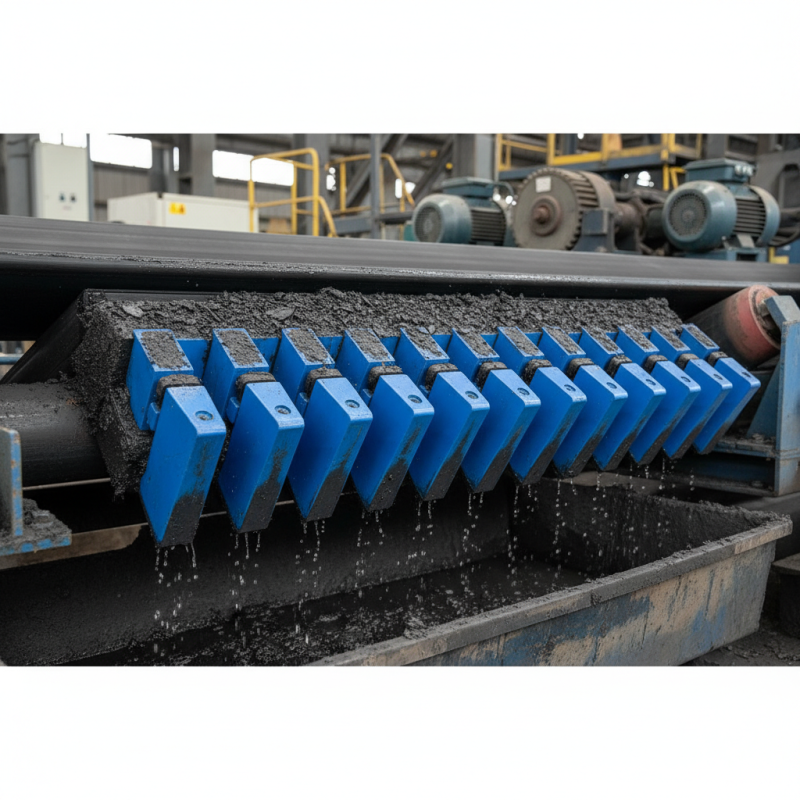
Best Conveyor Belt Wiper Solutions for Global Buyers?

Best Practices for Selecting Conveyor Belt Wiper Solutions

Selecting the right conveyor belt wiper solutions is critical in minimizing material carryback. According to the Conveyor Equipment Manufacturers Association (CEMA), improper cleaning can lead to 15% more waste in material handling. This statistic highlights the importance of efficient wipers in enhancing productivity and lowering operational costs.


When evaluating wiper systems, it's essential to consider the type of materials transported. Different materials, like gravel or coal, may require different wiper designs. For instance, softer materials might need gentler wipers to avoid damage. A wiper’s efficiency also hinges on its compatibility with the conveyor system's speed and weight capacity. Studies indicate that matching these factors can substantially improve cleaning performance.


Many companies overlook maintenance during selection, which can be a major pitfall. Frequent maintenance not only ensures longevity but also guarantees optimal performance. Industry research shows that regular assessments of wiper condition can improve cleaning effectiveness by up to 30%. Ignoring this aspect may lead to unexpected breakdowns and additional costs, reflecting the need for ongoing evaluation.

Industry Standards for Conveyor Belt Maintenance and Efficiency

Proper conveyor belt maintenance is essential for optimal efficiency. Industry reports indicate that effective maintenance can improve operational productivity by up to 30%. A significant aspect of this maintenance involves conveyor belt wipers. These components play a critical role in removing debris and moisture. Regularly cleaned belts reduce wear and tear, leading to fewer breakdowns.

In many sectors, neglecting conveyor belt cleaning can lead to product contamination. According to the Conveyor Equipment Manufacturers Association, almost 50% of downtime is due to insufficient maintenance practices. This calls for standardized wiper solutions that meet stringent industry requirements. Wipers should be durable, adaptable, and easy to replace.

Despite advancements, many facilities still struggle with outdated wiper systems. These systems may not address the specific needs of different materials being processed. Moreover, gaps in staff training often lead to improper use, reducing the overall effectiveness of maintenance efforts. Addressing these issues could significantly enhance productivity and safety.

Impact of Conveyor Belt Wipers on Operational Cost Reduction

Conveyor belt wipers play a significant role in operational efficiency. Proper cleaning reduces wear on belts and improves equipment lifespans. When wipers function effectively, they limit material carryback. This leads to less downtime due to maintenance.

Operational costs often rise from unclean belts. Excess materials can damage components and increase energy consumption. Regular cleaning minimizes these risks. Many buyers overlook the long-term savings wipers offer. Investing in quality wipers can yield substantial returns in the long run.

The selection of the right wiper must consider the specific operational environment. Different materials and designs cater to unique challenges. Some users report issues with durability and performance. These reflections show the necessity of choosing wisely. An informed decision is crucial for maximizing the benefits of conveyor belt wipers.

Global Trends in Conveyor Belt Wiper Technology and Innovations

In recent years, the conveyor belt wiper industry has seen significant innovations driven by global trends. The need for increased efficiency and reduced maintenance costs has led to advancements in material technology. New polymers and composites are being used to create wipers that last longer and perform better, even in challenging environments.

Sustainability is another crucial factor influencing conveyor belt wiper technology. Manufacturers are focusing on eco-friendly materials and processes. Biodegradable or recyclable components are becoming more common. This shift reflects a broader commitment to reducing environmental impact, although many companies still struggle to balance performance with sustainability.

Despite these advancements, challenges remain in universal application. What works well in one industry may not suit another. There is often a gap between performance expectations and actual outcomes. Companies must continually assess their wiper solutions to ensure they meet specific operational needs while considering both cost and efficiency. These factors highlight the ongoing evolution of conveyor belt wiper technology, emphasizing the need for adaptability and continuous improvement.

Performance Metrics for Evaluating Conveyor Belt Wiper Effectiveness

Evaluating conveyor belt wiper effectiveness requires specific performance metrics. Key metrics include cleaning efficiency, wear resistance, and ease of installation. A wiper should effectively remove debris without damaging the belt surface. High-quality materials often enhance cleaning performance but may come with higher costs. Users need to balance budget and performance.

Testing under real conditions is essential. A wiper might perform well in a controlled setting but struggle in harsh environments. Observations over time provide insights on durability and maintenance needs. Regular evaluations can reveal wear patterns and overall functionality. Understanding these metrics helps buyers make informed choices.

Consistency in performance is critical. A reliable wiper maintains cleaning efficiency across various operational speeds. Inconsistent results can lead to increased downtime and maintenance costs. Users should document their experiences and seek feedback from others in the industry. This collective knowledge base often highlights useful insights and potential pitfalls.

FAQS

: Why is conveyor belt maintenance important?

: Proper maintenance can improve operational productivity by up to 30%.

What role do conveyor belt wipers play?

They remove debris and moisture, leading to reduced wear and tear.

What happens if I neglect conveyor belt cleaning?

It can cause product contamination and increase downtime significantly.

What should I look for in conveyor belt wipers?

Look for durability, adaptability, and ease of replacement for effective maintenance.

How can outdated wiper systems affect my operations?

They may not meet specific needs, leading to inefficiencies and safety issues.

What metrics are important for evaluating wiper effectiveness?

Key metrics include cleaning efficiency, wear resistance, and ease of installation.

Why is testing under real conditions necessary?

Performance in controlled settings might differ from harsh environments; real testing reveals true durability.

How can I ensure consistent wiper performance?

Regularly document experiences and seek industry feedback to improve understanding.

What is a common issue with staff training for maintenance?

Gaps in training can lead to improper use and decreased maintenance effectiveness.

Is higher quality always better when it comes to materials?

High-quality materials often enhance performance but may exceed budget; balance is key.

Conclusion

In the pursuit of optimal conveyor belt performance, selecting the right Conveyor Belt Wiper solutions is crucial for various global industries. Key practices involve assessing the specific needs of the conveyor system while adhering to industry standards to enhance maintenance and operational efficiency. Effective Conveyor Belt Wipers not only significantly reduce operational costs but also play a vital role in minimizing downtime and maintenance frequency.

Moreover, innovation in Conveyor Belt Wiper technology is shaping global trends, leading to more efficient and effective cleaning solutions. As businesses strive for sustainability, evaluating performance metrics becomes essential in measuring the effectiveness of these wipers. Ultimately, a strategic approach to implementing Conveyor Belt Wipers can lead to improved productivity and a stronger bottom line for companies across diverse sectors.

Sophia

Sophia

Sophia is a dedicated marketing professional with an exceptional depth of knowledge about her company's products and services. With a keen understanding of market trends and customer needs, she crafts insightful blog posts that not only inform but also engage readers, enriching the company’s online......