HESPER HESPER

Why Choose Ceramic Lined Hose for Your Industrial Needs?

Time:2026-05-19 Author:Ethan
0%

In the industrial world, choosing the right materials is crucial. Ceramic Lined Hose stands out as a top choice for many applications. Dr. Emily Taylor, a leading expert in industrial materials, states, “Ceramic Lined Hose offers unmatched durability and efficiency for abrasive materials.” Her insight reflects a growing trend among industries seeking reliable solutions.

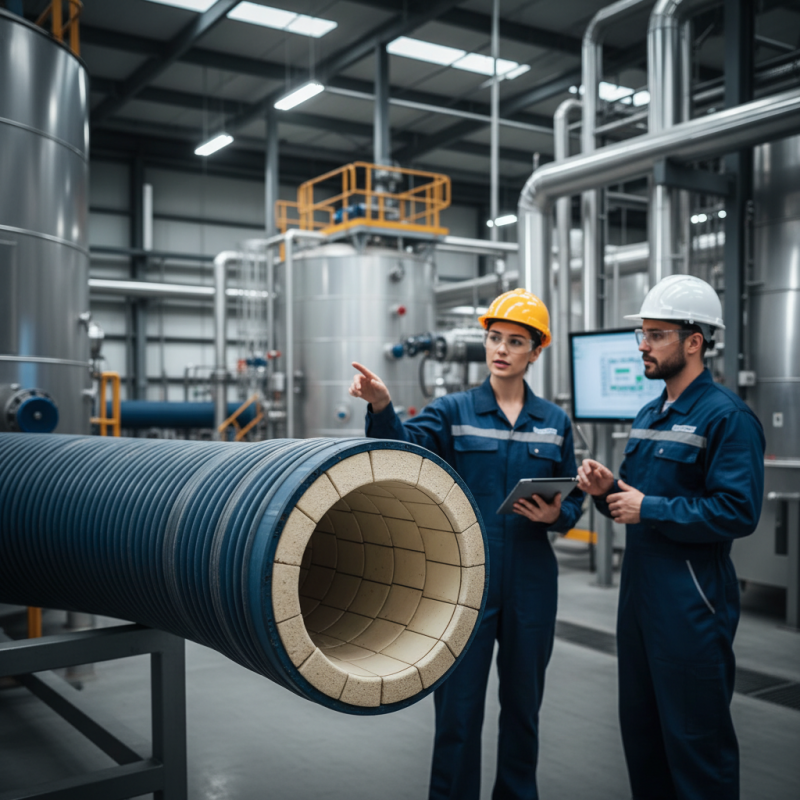
Ceramic Lined Hose is designed to withstand harsh conditions. It provides longevity and reduces downtime. Many companies have reported fewer maintenance issues after switching to this innovative solution. This durability can lead to significant cost savings over time. However, some companies still hesitate, often uncertain about retrofitting existing systems.

It’s essential to consider both the benefits and challenges. While the advantages are clear, integrating Ceramic Lined Hose into operations may require an investment in training and modifications. As industries evolve, evaluating these options is vital for maximizing productivity and minimizing risks.
Why Choose Ceramic Lined Hose for Your Industrial Needs?

Benefits of Ceramic Lined Hose in Industrial Applications

Ceramic lined hoses offer impressive durability and resistance in harsh industrial environments. These hoses can handle high temperatures and abrasive materials effectively. The ceramic lining provides an extra layer of protection against wear and tear. This means they last longer than traditional rubber or metal hoses. Companies can save money on replacements and maintenance over time.

In mining and materials handling, these hoses excel in transporting heavy particulates. The smooth ceramic surface minimizes friction loss. This allows for efficient material flow. Increased efficiency can lead to higher productivity levels. Yet, it’s essential to consider the initial investment. While ceramic lined hoses may cost more upfront, the long-term savings can be significant. It's a critical choice that should reflect the specific needs of the application.

Choosing the right hose requires careful consideration. Assess the operating conditions and materials being transported. Seek expert advice to ensure optimal performance. Not every application may benefit from ceramic lined hoses. An understanding of your system's demands will guide you in making the best choice. Always weigh the pros and cons thoroughly before taking action.

Comparative Analysis: Ceramic Lined Hose vs. Traditional Hoses

When evaluating hoses for industrial applications, ceramic lined hoses outperform traditional options. According to a report by the Industrial Hose Association, ceramic lined hoses demonstrate up to five times the wear resistance compared to rubber or PVC hoses. This leads to longer service life and reduced downtime, which can significantly lower operational costs.

Ceramic lined hoses can handle abrasive materials without deteriorating quickly. They excel in high-temperature environments, often withstanding temperatures exceeding 1000°F. Traditional hoses may fail in such conditions, leading to costly repairs. The durability of ceramic liners ensures that maintenance remains minimal, putting less strain on your budget.

Tip: Regularly inspect hoses for signs of wear. Early detection can prevent serious failures.

In many industries, ceramic lined hoses show a lower frequency of leaks. Studies reveal that a proper installation can lead to a 40% reduction in leaks when using ceramic lined options. While upfront costs might be higher, the long-term benefits often justify the investment.

Tip: Compare the total cost of ownership. Look beyond the initial price tag to understand long-term savings. Testing ceramic lined hoses' performance in specific applications can provide valuable insights into their reliability and effectiveness.

Durability and Longevity: Key Features of Ceramic Lined Hose

Ceramic lined hoses are renowned for their incredible durability. They are specifically designed to withstand high wear and tear in demanding environments. This makes them ideal for industries that handle abrasive materials. The ceramic lining provides an additional layer of protection against damage. It significantly extends the lifespan of the hose, reducing the frequency of replacements.

In practical applications, operators often notice a marked improvement in performance. The ceramic material can resist scratches and impacts, which is crucial in heavy-duty settings. This durability can lead to cost savings over time. However, proper installation and regular maintenance are still necessary to achieve optimal performance. Some users may overlook this, which can reduce the effectiveness of the hose.

The design of ceramic lined hoses also contributes to their longevity. They maintain flexibility while providing robust resistance to extreme conditions. This balance allows for efficient handling of various substances without compromising reliability. It's essential to select hoses that align with your specific needs, considering both durability and functionality. Understanding these details can help mitigate possible issues in the long run.

Why Choose Ceramic Lined Hose for Your Industrial Needs?

Feature Description Benefits
Durability Ceramic linings are highly resistant to wear and abrasion. Increases lifespan of the hose, reducing replacement costs.
Temperature Resistance Can withstand extreme temperatures without degrading. Suitable for high-temperature applications, enhancing operational flexibility.
Chemical Resistance Resists most chemical attacks, including acids and bases. Protects the hose integrity in harsh environments.
Lightweight Design Lighter than metal alternatives yet maintains strength. Easier to handle and install, reducing labor costs.
Cost Efficiency Lower maintenance and replacement costs over time. Maximizes return on investment for industrial applications.

Cost-Effectiveness of Ceramic Lined Hose Over Time

Ceramic lined hoses offer significant long-term cost savings for various industrial applications. Many industries face wear and tear due to abrasive materials. This leads to frequent replacements, increasing overall costs. By choosing ceramic lined hoses, businesses can reduce maintenance and replacement expenses significantly.

Ceramic liners are exceptionally durable. They resist abrasion and extend the lifespan of hoses. For instance, in a mining operation, these hoses can last multiple years compared to conventional options. This durability translates to fewer operational disruptions. It allows businesses to allocate resources more efficiently, ultimately improving productivity.

Tip: Regularly inspect the ceramic lined hoses. Early detection of minor issues can prevent major repairs. Additionally, always check for compatibility with your materials to avoid unexpected failures.

Despite the cost-effectiveness, implementing ceramic lined hoses requires planning. Transitioning to a new system may have upfront costs. It's essential to analyze your specific needs and evaluate the long-term benefits. Consulting with industry experts can help make informed decisions. This step can prevent costly mistakes down the line.

Best Practices for Installation and Maintenance of Ceramic Lined Hose

Installing ceramic lined hoses requires careful attention. Proper installation can enhance the lifespan of the hose significantly. Begin by inspecting the hose for any visible damage before use. Ensure the connection points are clean and free from debris. This step mitigates the risks of wear and tear. Misalignment can lead to stress and potential failure.

Routine maintenance is equally crucial for longevity. Regularly check for signs of wear around fittings and along the hose. Unexpected failures can disrupt operations. Using appropriate tools for adjustment is essential to avoid damaging the hose. Remember to maintain operating pressures within recommended limits. Overpressure can lead to catastrophic outcomes.

Proper cleaning techniques also matter. Flushing the hose with appropriate solvents can remove any buildup. Be cautious about the materials used; some may cause damage. Documenting maintenance schedules helps track performance over time. It is vital to reflect on these practices for continuous improvement. Consistent evaluation can lead to better outcomes.

Benefits of Ceramic Lined Hose Over Traditional Hoses

This bar chart illustrates the key performance benefits of ceramic lined hoses compared to traditional hoses. As shown, ceramic lined hoses excel in wear resistance, temperature resistance, and corrosion resistance while requiring less frequent maintenance. Their flexibility is notably lower but still advantageous for various industrial applications.

FAQS

: What are the key features of ceramic lined hoses?

: Ceramic lined hoses are known for their durability and wear resistance. They excel in high-demand environments with abrasive materials.

How does ceramic lining impact the lifespan of hoses?

The ceramic lining provides extra protection, extending the hose lifespan. This reduces the need for frequent replacements.

Why is regular maintenance important for these hoses?

Regular maintenance ensures optimal performance. Neglecting it can lead to reduced effectiveness and unexpected failures.

What should I check before installing a ceramic lined hose?

Inspect for visible damage and clean connection points. This reduces the risk of wear and misalignment.

How can I ensure effective cleaning of ceramic lined hoses?

Use appropriate solvents for flushing. Be careful with materials to avoid damage during cleaning.

What are the cost benefits of using ceramic lined hoses?

They offer long-term savings by reducing maintenance and replacement costs. Fewer operational disruptions enhance productivity.

Is there any planning needed before transitioning to ceramic lined hoses?

Yes, evaluate your specific needs and analyze long-term benefits. Consulting experts can prevent potential costly mistakes.

Can ceramic lined hoses handle various substances?

Yes, they maintain flexibility while resisting extreme conditions. This balance assures reliable performance across different materials.

What happens if the operating pressure exceeds recommended limits?

Overpressure can lead to catastrophic failures. It's crucial to keep pressures within safe limits for safety.

How can I track the performance of my ceramic lined hoses?

Documenting maintenance schedules helps monitor performance. Regular evaluations can lead to improvements in operations.

Conclusion

Ceramic Lined Hose is increasingly becoming a preferred choice for industrial applications due to its exceptional durability and longevity. Compared to traditional hoses, Ceramic Lined Hoses offer superior resistance to abrasion and wear, making them ideal for handling abrasive materials. The key features of these hoses ensure they can withstand harsh conditions, ultimately leading to lower maintenance costs and extended service life.

In terms of cost-effectiveness, Ceramic Lined Hose proves beneficial over time as its durability reduces the frequency of replacements, offering long-term savings for industrial operations. To maximize the advantages of Ceramic Lined Hoses, following best practices during installation and maintenance is essential. Proper care and handling can further enhance their performance and reliability, making them an invaluable asset in a variety of industrial settings.

Ethan

Ethan

Ethan is a seasoned marketing professional with a deep expertise in our company's innovative product line. With a passion for sharing knowledge and insights, he takes the lead in regularly updating our corporate blog, where he explores industry trends, product features, and effective marketing......