HESPER
Choosing the right hydraulic rubber hose is crucial for efficiency in various industries. According to a recent report by the Hydraulic Institute, the global demand for hydraulic hoses is projected to grow by 4.2% annually, highlighting the importance of making informed decisions. Industry expert Dr. Mark Rivers emphasizes, “Selecting the right hydraulic rubber hose can significantly impact equipment performance and longevity.”
Hydraulic rubber hoses play a vital role in fluid transfer systems. They must be durable and resistant to various chemicals and pressures. The wrong choice can lead to system failures and costly downtime. A study from the Rubber Manufacturers Association shows that more than 30% of maintenance issues in hydraulic systems are linked to improper hose selection.
Understanding these challenges is essential. It’s not just about finding a product. It’s about ensuring reliability and safety. With increasing industry standards, the importance of choosing the right hydraulic rubber hose cannot be overstated. A careful approach can prevent operational setbacks and enhance productivity.
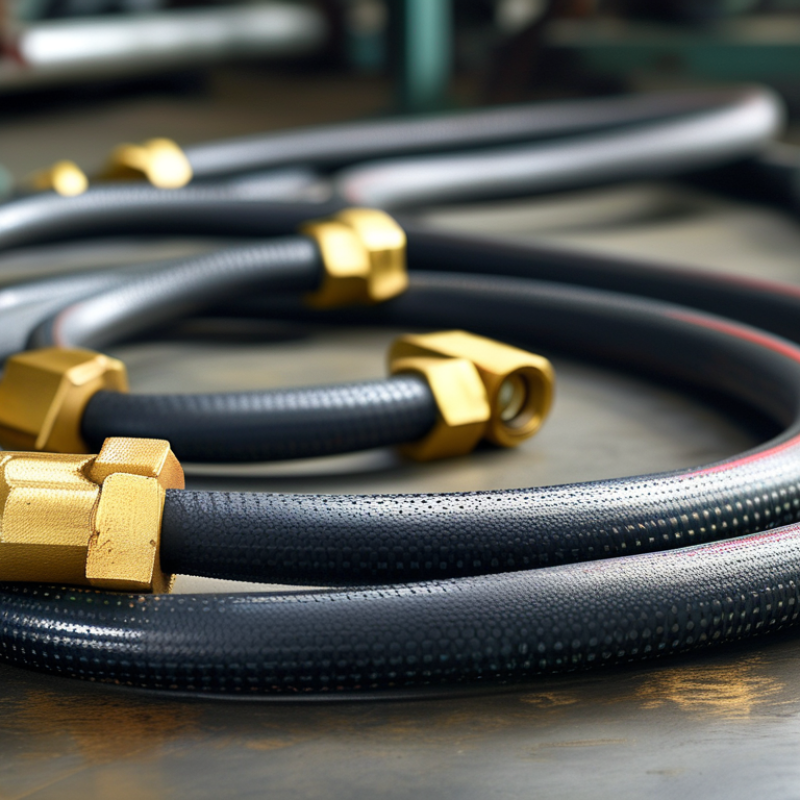
When selecting hydraulic rubber hoses, understanding their basic components and functions is essential. Hydraulic hoses are made up of several layers, usually including an inner tube, a reinforcement layer, and an outer cover. Each part plays a crucial role in the hose’s performance and durability. The inner tube carries the hydraulic fluid, while the reinforcement adds strength. The outer cover protects against environmental factors.
Choosing the right hose involves considering various factors. The operating pressure, temperature, and fluid type all influence the selection. A hose that cannot handle the pressure may burst, causing equipment failure. Additionally, using the wrong materials could lead to chemical reactions. It’s important to assess the specific application thoroughly. Some applications may require hoses with specialized features, like abrasion resistance or flexibility.
However, not every hose fits every situation. Users sometimes overlook the importance of proper hose sizing and fitting. Using a hose that is too long or too short can lead to inefficiencies. Regular maintenance and inspection routines are also needed to ensure safety and performance. Often, users learn about issues only after they arise, leading to costly downtime. Making informed decisions requires a balance of experience and understanding of hydraulic systems.
When selecting a hydraulic rubber hose, it's essential to focus on the specifications aligned with your specific application. Start with the working pressure. According to industry data, hoses must have a working pressure greater than the maximum pressure expected during operations. For instance, if your system operates at 3000 PSI, consider hoses rated for at least 3500 PSI to accommodate surges or spikes in pressure.
Next, consider the temperature range. Research shows that many hydraulic failures occur due to thermal degradation of hoses. For example, hoses exposed to high temperatures can weaken and lead to premature failure. It’s crucial to identify the temperature limits of your application. Many hydraulic hoses are rated for temperatures ranging from -40°F to +212°F. Ensure that the hose you choose can withstand your environment.
Material composition also matters. Different applications require different materials, such as synthetic rubber versus thermoplastic. Depending on the fluid being conveyed, chemical resistance can be a deal-breaker. A study published by the Hydraulic Institute reveals that improper material choice can reduce hose lifespan by up to 70%. Regularly reviewing specific fluid and chemical interactions can avoid costly failures and downtime.
This chart illustrates the key specifications to consider when selecting a hydraulic rubber hose. The data reflects the importance of flexibility, pressure rating, temperature resistance, and compatibility with fluids based on various applications.
When choosing a hydraulic rubber hose, it is crucial to evaluate environmental conditions. Factors like temperature, moisture, and exposure to chemicals can significantly affect the hose's life and performance. For instance, hoses used in extreme temperatures may deteriorate faster than those in milder climates. Moisture can lead to mold growth, while chemical exposure might cause degradation.
Consider also the hose's application. If it operates close to abrasive materials, it needs more robust protection. Inspecting the installation site for contaminants can prevent future failures. Hoses often fail unexpectedly, reminding us not to overlook these assessments. Regular checks can enhance reliability but can be easily ignored.
Environmental awareness extends beyond material selection. It’s about ensuring the hose fits its intended use. Some users might underestimate wear factors. This can lead to operation disruptions and costly repairs. Balancing durability with flexibility requires careful thought. 진지하게 생각해보는 것이 중요합니다. Identifying these factors aids in making informed decisions.
When choosing a hydraulic rubber hose, understanding different types and materials is essential. Not all hoses are created equal. They vary in pressure ratings, flexibility, and temperature resistance. It's crucial to evaluate the specific demands of your application.
Consider the material. Some hoses are made from synthetic rubber, while others use thermoplastic. Each has unique properties. Synthetic rubber hoses offer greater durability under extreme conditions. Thermoplastic hoses generally provide better flexibility. Assess the environment your hose will operate in to make an informed decision.
Tip: Always check the manufacturer's specifications. Misunderstanding these can lead to hose failure. Another important aspect is the size. Ensure the hose diameter matches the system’s requirements. A mismatch can cause flow issues or excessive wear. Always consider your working environment. Dust, heat, and chemicals can significantly impact hose performance. Evaluate these factors carefully.
When selecting hydraulic rubber hoses, ensuring compatibility with fittings and connectors is crucial. A mismatch can lead to leaks and system failures. According to recent industry reports, approximately 30% of hydraulic system failures are linked to improper hose and fitting connections. This statistic highlights the importance of thorough research before making a purchase.
Compatibility involves matching the hose's diameter and pressure rating with the fittings. A common mistake is underestimating the impact of connector design. Different manufacturers may have varying standards. Thus, it's essential to cross-reference specifications to avoid issues. For instance, using fittings that don't match the hose type can compromise performance.
Tips: Always check for compatibility charts provided by manufacturers. They often detail which hoses work with specific connectors. Additionally, consider the working environment—temperature and fluid type can affect performance. Regular maintenance inspections are vital; worn connectors can lead to significant leaks. Ultimately, meticulous attention to detail enhances system reliability and longevity.
: Hydraulic hoses consist of an inner tube, reinforcement layer, and outer cover. Each part serves a specific purpose.
Consider the operating pressure, temperature, and type of fluid. These factors significantly affect hose selection.
Using an unsuitable hose can lead to bursting or chemical reactions, causing system failures and costly repairs.
Improper sizing can cause inefficiencies. A hose that is too long or too short affects overall performance.
Match the hose’s diameter and pressure rating with fittings. Always cross-reference specifications to avoid issues.
Users often underestimate connector design impacts. Mismatched connectors can lead to leaks and failures.
Yes, frequent maintenance and inspections are essential. Worn connectors can cause significant leaks and downtime.
Look for compatibility charts from manufacturers. They indicate suitable hoses and connectors for specific applications.
The working environment's temperature and fluid type can influence hose performance. This detail is often overlooked.
Yes, a balance of experience and knowledge of hydraulic systems is crucial for informed decision-making.
Choosing the right Hydraulic Rubber Hose is crucial for ensuring optimal performance and durability in hydraulic systems. Begin by understanding the basics of hydraulic hoses, including their construction and function. Focus on identifying key specifications that match your specific application needs, such as pressure ratings and temperature ranges.
Environmental conditions play a significant role in the selection process, as factors like temperature, exposure to chemicals, and abrasion can affect hose life and performance. Additionally, consider the various types of hoses and materials available, including their strengths and weaknesses. Lastly, ensure compatibility with fittings and connectors to maintain a secure and leak-free system. By taking these factors into account, you can select a Hydraulic Rubber Hose that meets your operational requirements effectively.
